The Essence of Wedding Photography: Understanding the Art

Wedding photography is more than just capturing moments; it is about telling a story through images that will be cherished for a lifetime. The art of wedding photography combines technical skill, creativity, and emotional intelligence to preserve the magic of one of the most important days in a couple’s life. This post explores the essence of wedding photography, offering insights and practical advice for those interested in understanding or pursuing this beautiful craft.
The Essence of Wedding Photography: Capturing Timeless Moments
At its core, wedding photography is about capturing timeless moments that reflect the emotions, relationships, and atmosphere of the day. Every wedding is unique, and a skilled photographer must be able to adapt to different settings, lighting conditions, and personalities to create images that resonate.
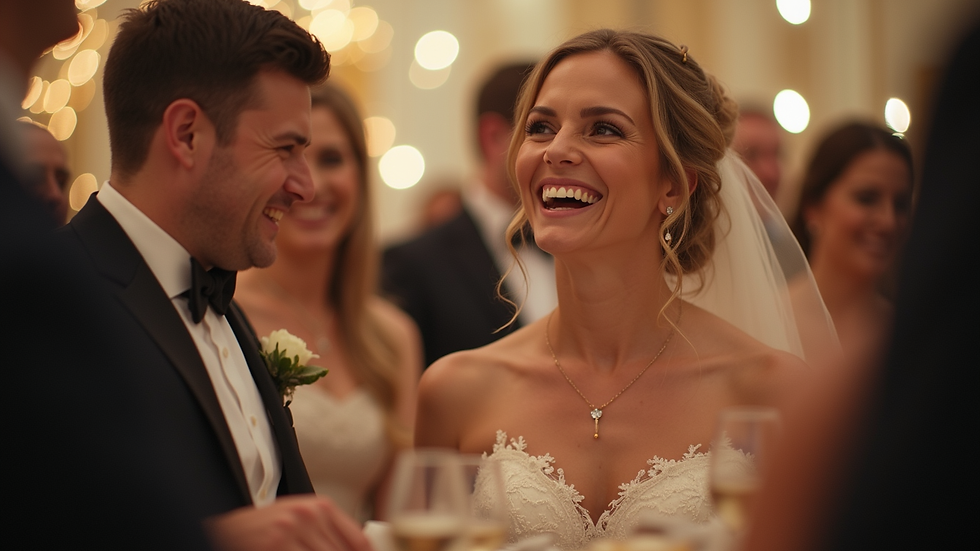
Emotional storytelling: The best wedding photos tell a story. They capture laughter, tears, anticipation, and joy in a way that words cannot.
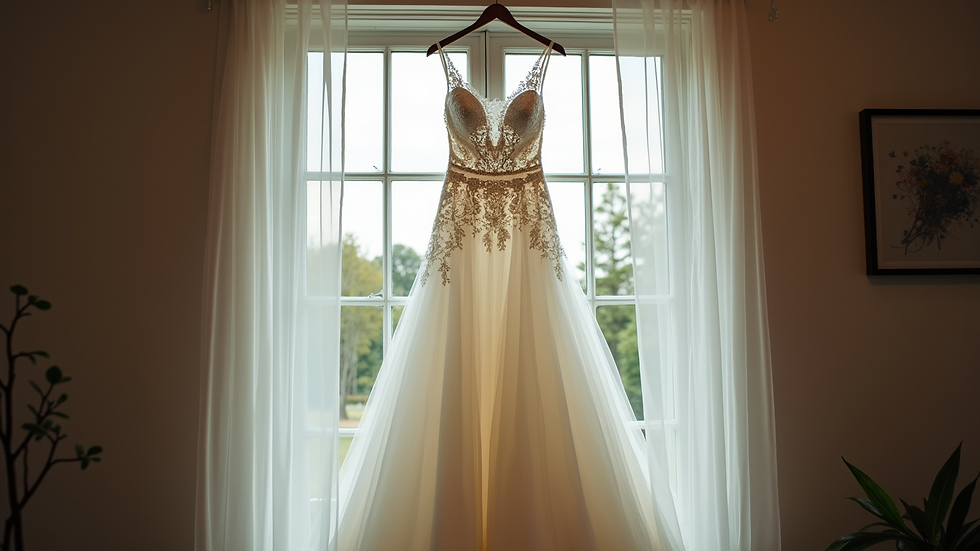
Attention to detail: From the intricate lace on a wedding dress to the delicate arrangement of flowers, details matter. These elements add depth and richness to the story.
Natural moments: While posed photos have their place, candid shots often reveal the true spirit of the day. A photographer must be ready to capture spontaneous interactions.
Understanding these elements helps photographers create images that are not only beautiful but also meaningful.

Essential Techniques for Mastering Wedding Photography
Mastering wedding photography requires a blend of technical knowledge and creative vision. Here are some essential techniques that every wedding photographer should know:
Mastering light
Natural light is often the most flattering for wedding photos. Photographers should learn how to use available light effectively and when to supplement it with artificial lighting such as flashes or reflectors.
Composition and framing
Good composition guides the viewer’s eye and highlights the subject. Techniques like the rule of thirds, leading lines, and framing can make images more engaging.
Using lenses creatively
Different lenses serve different purposes. A wide-angle lens can capture the grandeur of the venue, while a prime lens with a wide aperture is perfect for intimate portraits with a blurred background.
Anticipating moments
A great wedding photographer is always alert, anticipating key moments like the exchange of rings or the first dance. This requires experience and a deep understanding of wedding traditions.
Post-processing skills
Editing is an important part of the workflow. Enhancing colours, adjusting exposure, and retouching imperfections can elevate the final images.
By combining these techniques, photographers can produce a diverse and compelling wedding album.

Choosing the Right Equipment for Wedding Photography
The choice of equipment can significantly impact the quality and style of wedding photos. Here are some recommendations for essential gear:
Camera body: A reliable DSLR or mirrorless camera with good low-light performance is crucial.
Lenses: A versatile kit might include a 24-70mm zoom for general shots, a 50mm prime for portraits, and an 85mm lens for close-ups.
Flash and lighting: On-camera flash with a diffuser or an off-camera flash setup helps in dim environments.
Tripod and monopod: Useful for steady shots during long ceremonies or low-light conditions.
Backup gear: Extra batteries, memory cards, and even a second camera body ensure no moment is missed.
Investing in quality equipment and knowing how to use it effectively is a key part of professional wedding photography.
Building a Connection with the Couple and Guests
A successful wedding photographer does more than just take pictures; they build rapport with the couple and guests. This connection helps create a relaxed atmosphere, resulting in more natural and heartfelt images.
Pre-wedding meetings: Discussing expectations, style preferences, and the schedule helps align the photographer’s approach with the couple’s vision.
Being approachable: Friendly and professional behaviour encourages guests to feel comfortable in front of the camera.
Flexibility: Weddings can be unpredictable. Being adaptable to changes and challenges is essential.
Discretion: Capturing moments without being intrusive allows genuine emotions to shine through.
This human element is a vital part of the art of wedding photography.
Preserving Memories for a Lifetime
The ultimate goal of wedding photography is to preserve memories that will be treasured for years to come. This means creating images that are not only technically excellent but also emotionally powerful.
Creating a narrative: A well-curated album tells the story of the day from start to finish.
Balancing posed and candid shots: Both styles complement each other to provide a full picture.
Delivering quality prints and albums: Physical keepsakes add value and longevity to the memories.
Digital archiving: Providing high-resolution digital files ensures the couple can share and revisit their photos easily.
By focusing on these aspects, photographers help couples relive their special day whenever they look at their photos.
For those interested in exploring this field further, learning about wedding photography can provide a solid foundation.
Embracing the Journey of Wedding Photography
Wedding photography is a rewarding and challenging art form that requires passion, skill, and dedication. Whether you are a photographer looking to improve your craft or someone who appreciates the beauty of wedding images, understanding the essence of wedding photography enriches the experience.
By focusing on storytelling, mastering techniques, choosing the right equipment, building connections, and preserving memories, the art of wedding photography continues to capture the hearts of many. It is a journey of creativity and emotion that celebrates love in its most beautiful form.

Comments